


Employee Engagement makes you say the C Word
- Martyn Hood

- Oct 11, 2023
- 5 min read

In today's competitive business environment, it is more important than ever to have a workforce that is engaged and motivated. Engaged employees are more productive, more creative, and more likely to stay with your company.
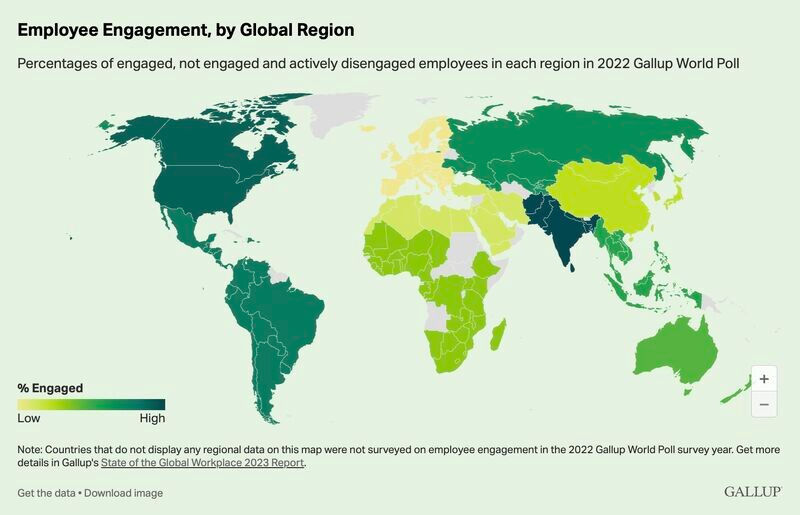
Currently, there is mixed reception to engagement across the globe. The global average for employee engagement currently sits at 23%, a peak since Gallup's first report in 2009. India is showing strong growth in employee engagement at 33% up from 26%, while America has seen a decline of 2% to just 31% actively engaged. Europe is struggling to motivate employees with 13% engagement. The cost of disengagement is estimated to be $8.8 trillion dollars, which equates to 9% of Global GDP.
Further to this 44% of employees stated that they experienced stress the previous working day. Stress is at its peak for the second successive year demonstrating it remains a significant risk to productivity and worker health.
Reading these statistics it should not surprise you to hear that 44% of employees are actively or passively seeking new roles and these figures should give you cause for concern for your own workforce.
So, what can your business do to engage its workforce?
The simple answer is everything. There is a real business benefit to having an engaged workforce. These are:
Increase productivity by 14%
Increase customer ratings by 10%
Increase sales by 18%
Increase profitability by 23%
Increase organisational participation by 13%
There are many ways to engage employees, but one of the most effective is to focus on the 5 Cs:

Creating a culture that is positive, supportive, and inclusive is a good first step. Employees should feel like they are part of a team and that their contributions are valued. Culture is important because it can unlock and remove barriers for greater productivity.
A positive culture can also foster innovation by encouraging creativity and risk-taking. Employees who feel like they are free to experiment and try new things are more likely to come up with new ideas that can help the company grow.
There are also benefits for your customers. A positive culture can also lead to increased customer satisfaction by creating a more customer-oriented workforce. Employees who are happy and engaged are more likely to go the extra mile to provide excellent customer service.
A great workplace culture can also help to retain top talent. Employees are more likely to want to stay with a company that has a strong culture and values its employees. With longer tenure, you are likely to see greater productivity, and where applicable - higher chargeable rates for customers driving revenue growth.

Giving employees opportunities to learn and grow is a good way to help them realise their potential and achieve job satisfaction as everyone wants to feel they've done a job well. Assign them challenging tasks that will stretch their skills and abilities. A challenge with greater autonomy will mean your employees will be more open to being more creative and innovative.
Of course, not all challenging work is created equal. It is important to make sure that the challenges are appropriate for the employee's skills and abilities. If the challenges are too difficult, employees may become frustrated and discouraged. If the challenges are too easy, employees may become bored and disengaged.
It is also important to provide employees with the resources and support they need to succeed. This may include training, development opportunities, and access to mentors. By providing employees with challenging work and the support they need, businesses can reap the benefits of a more engaged and productive workforce.

Fair and competitive pay and benefits are important for employee engagement because they help employees feel valued and appreciated. When employees feel like they are being compensated fairly for their work, they are more likely to be motivated and engaged in their work. It is prudent to remember the difference between value and worth when addressing compensation.
Here are some of the reasons why fair and competitive pay and benefits engage employees:
Financial security: Fair and competitive pay can help employees feel financially secure. This can reduce stress and allow them to focus on their work.
Sense of worth: When employees feel like they are being paid fairly, they feel like their work is valued. This can boost their self-esteem and make them feel more motivated.
Attraction and retention: Fair and competitive pay and benefits can help attract and retain top talent. Employees are more likely to want to work for a company that values their contributions and compensates them fairly.
Reduced turnover: When employees feel like they are being fairly compensated, they are less likely to leave their jobs. This can save businesses money on recruiting and training costs.
Improved morale: Fair and competitive pay and benefits can improve employee morale. Employees who feel valued and appreciated are more likely to be happy and engaged in their work.
Of course, fair, and competitive pay and benefits are not the only factors that contribute to employee engagement. However, they are an important part of creating a workplace where employees feel valued and motivated.

Recognising an employee for a great piece of work goes a long way. The recognition you give emphasises the value of their work and contribution to the business. Showing appreciation and gratitude delivers a sense of appreciation for the employee's hard work, who in return are more likely to be motivated and engaged on future tasks.
Celebrating the work creates a strong bond between other workers, in the right environment this will give rise to positive competition as employees prefer to be part of a team and be supportive of each other as they work towards common goals.
Providing employees with opportunities for career development by helping them to learn new skills and advance in their careers. Taking an active interest and role in their careers and potential career trajectory demonstrates that you are interested in them both professionally and personally. Developing and embedding career pathways, talent and succession frameworks and a fit-for-purpose performance management process are important tools for career management.

Career management and development is a win-win for both employees and employers. When employers invest in their employees' career growth, they are more likely to have an engaged, productive, and loyal workforce.
By focusing on the 5 Cs, you can create a high-performing workplace where employees are engaged and motivated.
How Flatpack HR Can Help with Employee Engagement
Are you ready to create a high-performing workplace? Contact Flatpack HR to learn more about how we can help you implement the 5 Cs of employee engagement.
Flatpack HR is a client-led HR consultancy that can develop and implement the 5 Cs of employee engagement in your business. Flatpack HR is the perfect solution for businesses that want to create a high-performing workplace but without the cost of hosting their own HR team. To learn more, visit our website www.flatpackhr.co.uk or call Martyn on +44 7779555261.
Additional information:
In addition to the 5 Cs, there are many other factors that can contribute to employee engagement. These include:
Leadership: Employees want to work for leaders who are inspiring, supportive, and fair.
Work-life balance: Employees need to be able to balance their work and personal lives.
Wellness: Employees need to be healthy and well-rested in order to be productive.
Inclusion and Belonging: Creating a place where people from whatever background are welcome to be their genuine selves and unlock their creativity and knowledge.
Communication: Employees need to feel like they are heard and that their ideas are valued.
Trust: Employees need to trust their managers and the company.
By focusing on all of these factors, you can create a workplace where employees are engaged and motivated. This will lead to improved productivity, creativity, and retention.


Comments